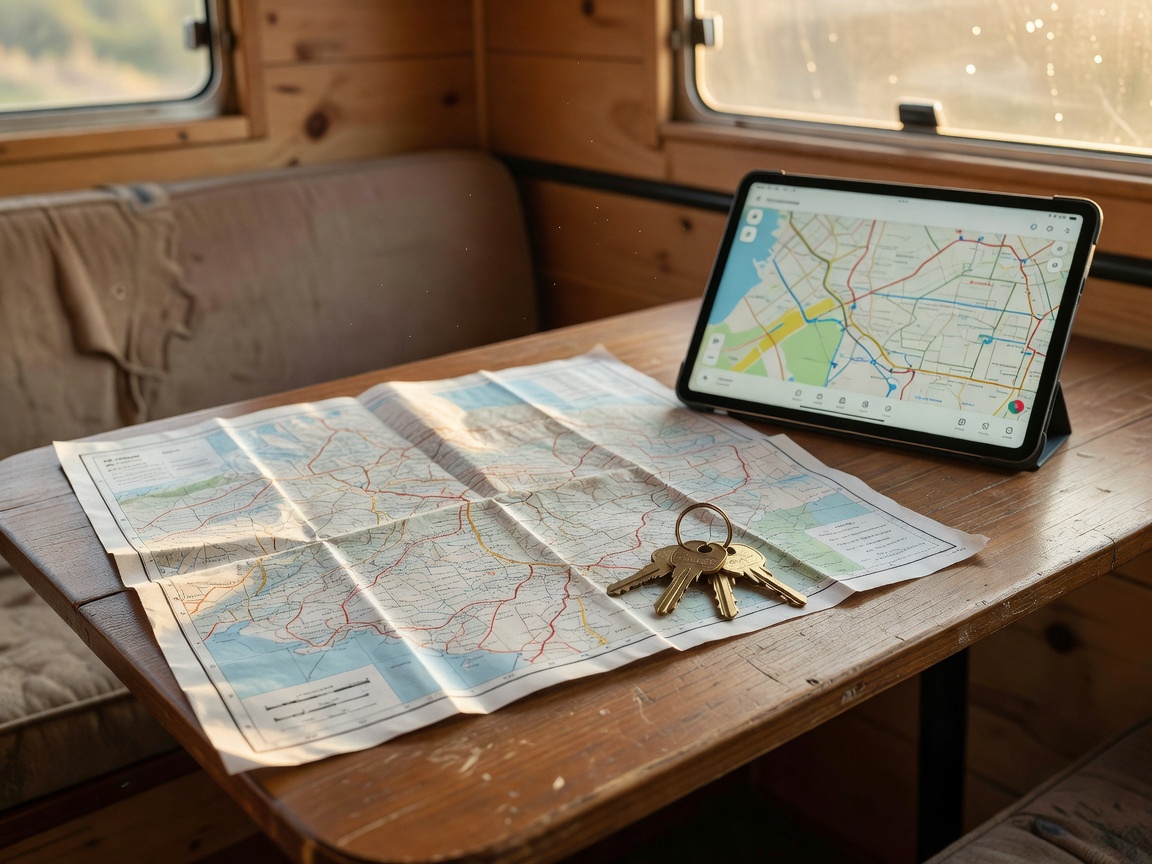
1. Route Selection and Driving Time
Do not rely on standard GPS time estimates. Winding roads, low speed limits, and ferry queues significantly increase transit times. Apply a 1.5x multiplier to standard navigation estimates for coastal and mountain routes.
Establish a realistic daily driving limit. 200 to 250 kilometers per day is a practical maximum for scenic travel. Designate primary stops and identify backup locations in case of delays.
2. Tolls, Borders, and Ferries
Physical toll booths are obsolete. Register your vehicle license plate with the regional electronic toll collection systems before entering the country. Failure to register results in paper invoices with administrative penalties.
Border crossings within the Schengen zone are generally frictionless, but customs restrictions on alcohol, tobacco, and certain foods are strictly enforced. Check current import allowances. Pre-book major international ferry crossings months in advance.
3. Fuel, Water, and Waste
Fuel stations are automated. Credit cards with PIN codes are mandatory. Many terminals do not accept mobile payments. Inland areas have fewer stations; maintain at least a half-tank.
Fresh water and grey/black water disposal sites are marked with specific blue road signs. Utilize these facilities whenever available. Do not discharge grey water on roadsides or in nature. Use only eco-friendly, biodegradable toilet chemicals.
Pre-Departure Checklist
- Register vehicle for automated tolls (e.g., AutoPASS, EPASS24).
- Obtain physical credit cards with 4-digit PINs.
- Verify vehicle insurance covers all planned countries.
- Pack EU-compliant gas adapters and regulators.
- Download offline maps and translation tools.
4. Accommodation and Camping
Wild camping is a privilege, not a blanket right. Motorized vehicles are heavily restricted. Overnight parking is only permitted where explicitly allowed. Respect "No Camping" signs.
Commercial campsites provide necessary infrastructure (power, showers, laundry). Booking ahead during July and August is essential. Outside peak season, many campsites operate on a self-service basis.
5. Provisions and Emergency Preparation
Supermarkets are concentrated in larger towns. Stock heavy provisions before entering remote areas. Prices for basic goods vary significantly across borders; plan major shopping accordingly.
Carry a comprehensive first aid kit, high-visibility vests for all passengers, a warning triangle, and spare fuses. A mechanical tool kit and heavy-duty tow rope are mandatory for independent travel. Note the local emergency numbers.