1. Spring (April - May)
Spring is defined by snowmelt. Lower coastal roads clear quickly, while mountain passes remain blocked by meters of snow. Expect significant frost heaves and pothole damage on secondary roads.
Many campsites and tourist facilities remain closed until late May. Nighttime temperatures drop below freezing. Heating systems must be fully functional. Check official road closures before plotting mountain routes.
2. Summer (June - August)
Summer offers continuous daylight in northern latitudes. The Midnight Sun affects sleep cycles; blackout blinds are critical. Road access is maximum, with all mountain passes generally open.
Traffic peaks in July. Ferries experience long queues. Pre-book main connections. Demand for campsites exceeds capacity. Arrive at designated overnight spots before late afternoon. Heat management inside the campervan requires robust ventilation.
3. Autumn (September - October)
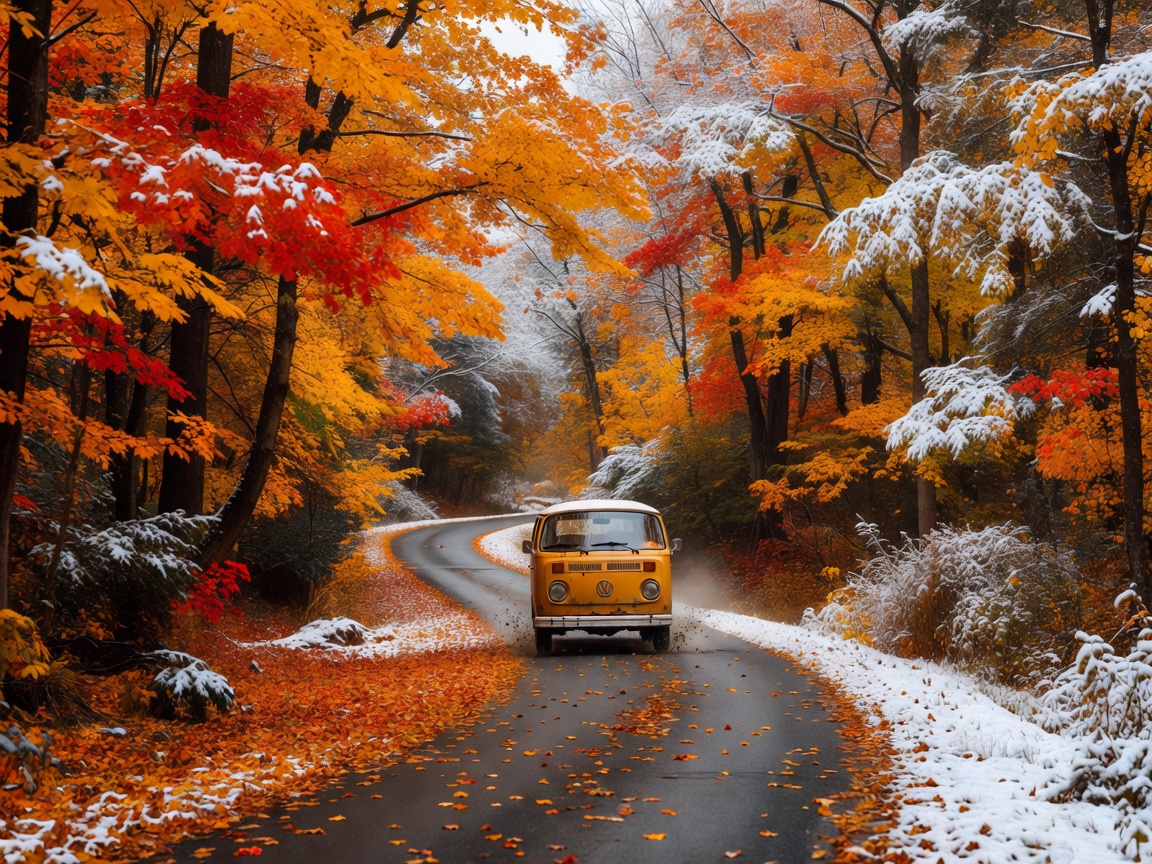
Autumn brings rapid changes. Daylight decreases noticeably each week. Wind storms become frequent on coastal routes, impacting bridge crossings and ferry schedules.
Early snow is common at higher elevations. Summer tires become illegal and unsafe. Transition to winter-rated tires if traveling late in the season. Campsites close for the winter. Independent power and water management become essential.
Winter Preparedness Checklist
- Install certified winter tires (3PMSF symbol).
- Pack heavy-duty snow chains.
- Verify antifreeze levels in engine and water systems.
- Carry an emergency snow shovel and traction mats.
- Confirm propane functions at sub-zero temperatures.
4. Winter (November - March)
Winter travel requires specialized preparation. Snow and ice cover the majority of the road network. Daylight is severely limited; northern regions experience the Polar Night with no direct sun.
Driving on ice demands studded tires or premium studless winter tires. Heavy vehicles require snow chains for inclines. Insulate water tanks to prevent freezing. Not all campervans are rated for Nordic winter travel. Understand your vehicle's thermal limitations.
5. Daylight and Visibility
Regardless of season, headlights must be illuminated 24 hours a day. Ensure all external lighting functions correctly. Clean headlight lenses frequently during winter and spring transit to remove salt and slush.
Wildlife visibility is extremely poor during dark winter months. Reduce speeds drastically in forested areas. Reflective markers on the roadside indicate the road edge under snow cover.