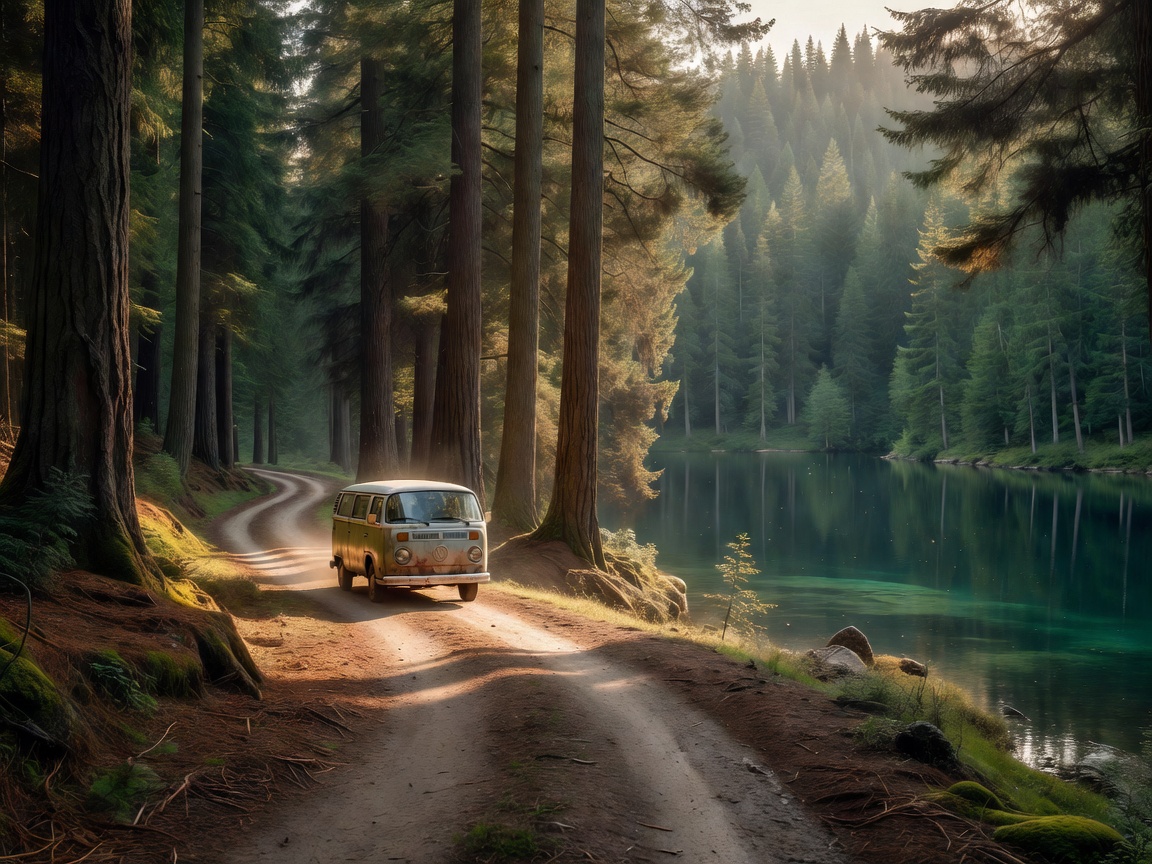
1. Inland Navigation Principles
Forest routes traverse vast, sparsely populated areas. Mobile network coverage is inconsistent. Download offline maps. Route planning must prioritize main arterial roads between major lake systems.
Service stations are spaced further apart than on the coast. Refuel when the tank drops below half. Carry a minimum of 20 liters of fresh drinking water at all times.
2. Handling Gravel Surfaces
Many secondary forest roads are unpaved. Graded gravel is common. Washboard (corrugated) surfaces cause severe vibration in campervans. Reduce speed. Check tire pressures daily.
Dust limits visibility. Keep substantial distance from preceding vehicles. Close external cabin vents to prevent dust ingress. Inspect undercarriage components after extended gravel transit.
3. Forestry Roads and Access Rights
The Right to Roam (Allemansrätten/Allemannsretten) applies to non-motorized access. It does not grant permission to drive or park motorized vehicles on private land, wilderness areas, or unpaved tracks.
Private forestry roads are explicitly for commercial logging. Do not enter routes marked with private signs or barriers. Obstructing a forestry road is illegal and dangerous. Park only in designated public rest areas or established campsites.
Forest Route Checklist
- Download offline regional maps.
- Install heavy-duty insect screens.
- Verify tire tread depth and pressure.
- Pack a standard physical compass and map.
- Check local fire ban statuses daily.
4. Wildlife Awareness
Large mammals present serious collision risks. Moose, reindeer, and deer are active near roads, particularly at dawn and dusk. Reindeer often travel in herds and will not yield to vehicles.
Reduce speed where dense forest meets the road edge. Braking distances increase on gravel. If a collision is imminent, aim for the rear of the animal to minimize windshield impact.
5. Campsite Planning and Daylight
Lake regions feature numerous established campsites. These offer crucial facilities like waste dumping and battery charging. Unmanaged natural sites lack sanitation. Carry out all waste.
Summer forest routes experience extended daylight or midnight sun. Cabin blackout blinds are essential for sleep. Insect activity (mosquitoes and midges) peaks in July. Equip the campervan with robust mesh screens on all openable windows.